


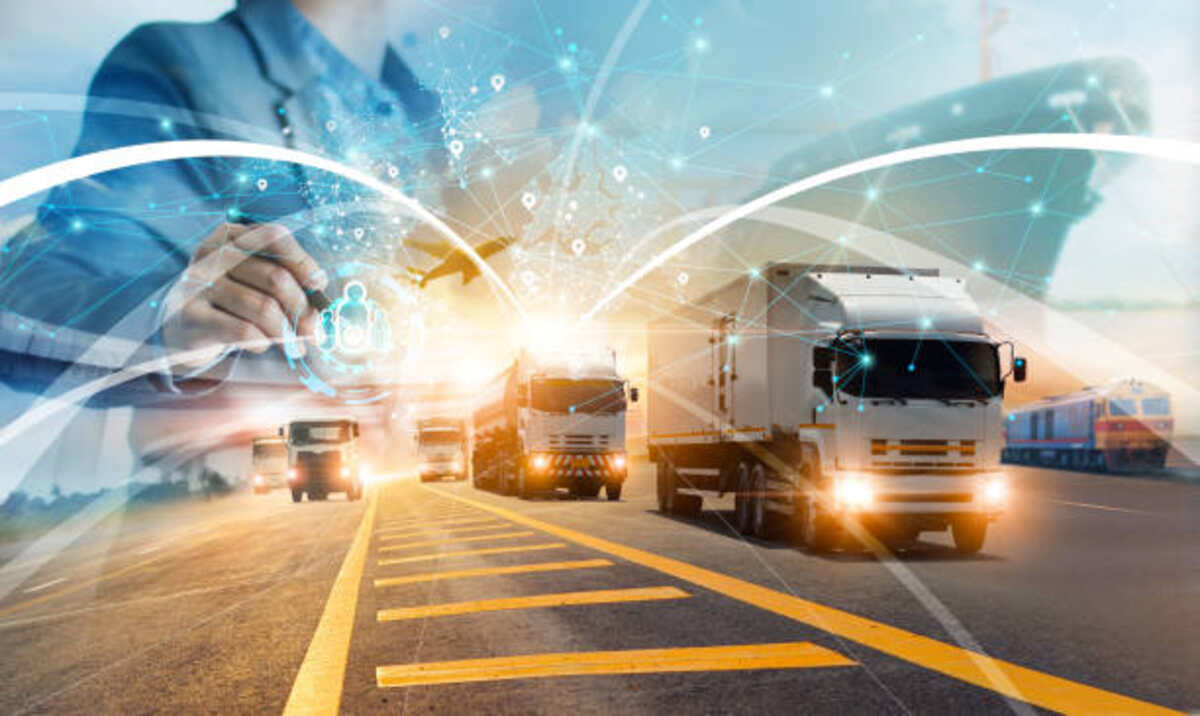
From vegetables to materials, the world depends on the transport industry to run smoothly. However, from ships to HGVs, the industry is ever-evolving. Transportation in the logistics industry has significantly changed over the past few years. Thanks to advancements in technology, as well as legislative changes regarding fuels and emissions, the transportation sector has seen improvements in leaps and bounds, delivering goods more quickly and in a cleaner way than ever.
But how has this change affected the industry, and how will these changes shape its future? This is what this article aims to explore: the current and future implications of shifts in the transportation industry, the future of transport training crew training, and what this means for goods across the world.
AI & predictive analytics
Transportation management systems are now leveraging AI advancements to improve efficiency and routing for ships and HGVs. For ships, these systems, which are consistently updated and remodelled by AI, help with operational loading. Loading a ship is one of the most laborious parts of the ship transportation process, as taking thousands and thousands of items on and off a ship not only takes time but also requires consideration, as larger containers and those that carry perishables must be placed correctly to avoid the elements and getting crushed on the journey. This planning process is also long and laborious, taking up valuable time, which these AI-optimised systems help to avoid.
In addition, many transport vehicles, from ships to lorries, travel empty miles due to poor route planning, which not only adds hours or even days to journeys but can also affect the quality of life inside the vehicle. Through AI optimisation, these vehicles can avoid these unnecessary miles that waste fuel and burden fleets.
Electrification and alternative fuels
As the world shifts toward more sustainable resources in the transport and logistics sector. Nowadays, BEVs, or battery electric vehicles, are taking over roads and ships, while hydrogen fuel is being scaled up for long-haul journeys. As well as this, many fleets are now tracking their carbon footprint so they can try to offset these emissions, as well as tracking and reducing the environmental effects of cargo, which can be some of the world’s largest polluters. Overall, the shift to green transport has just begun, with far too much to do in terms of sustainability and ethics in transportation, and the breaking of ships in their later stages can be detrimental to locals and the environment alike.
Final thoughts
With advances in all areas of transport and logistics, we predict a continuous shift towards sustainable practices and AI integration, meaning the next fleet of ships or the next fleet of drivers in hgv adr training will be more efficient and sustainable than the last.
