


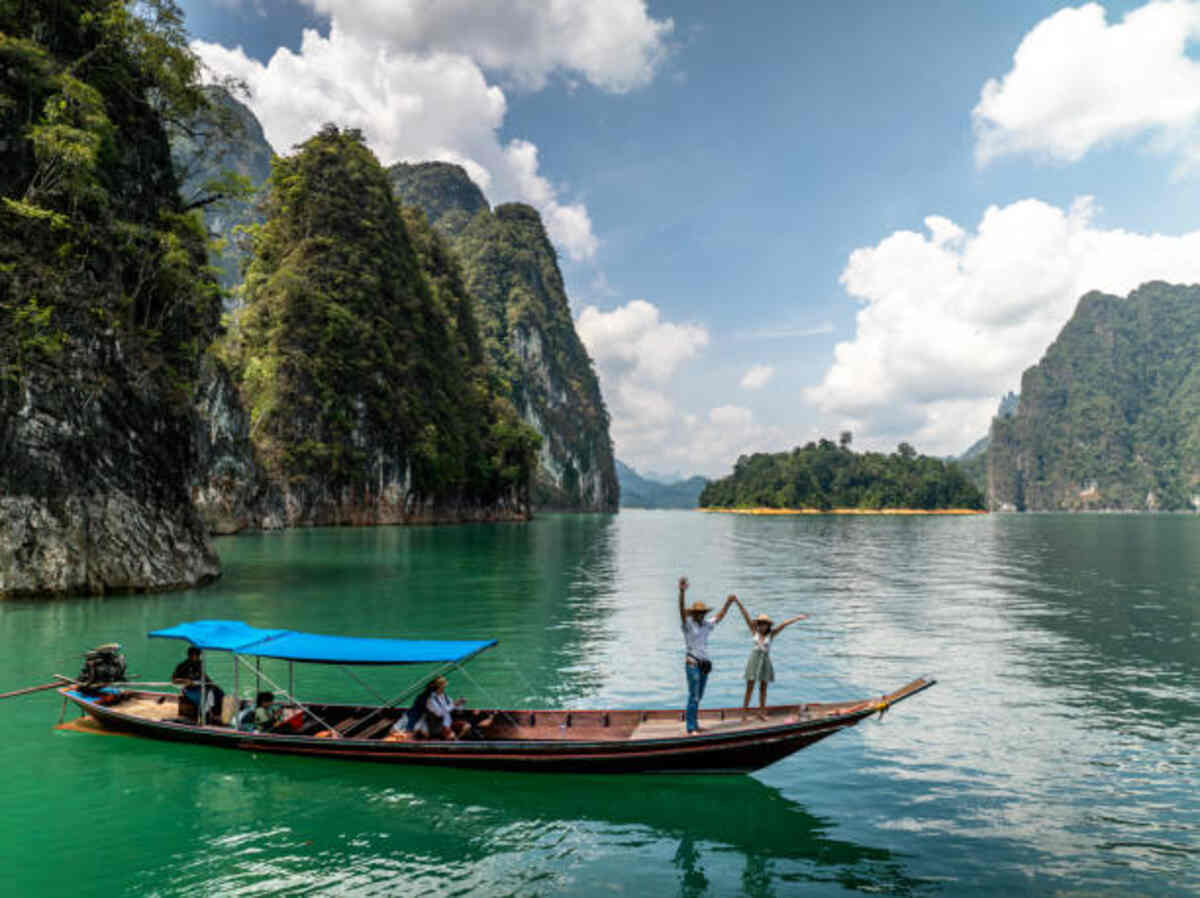
Must-Visit Countries for Adventurous Travelers
Adventure is a big word. For one traveler, it means a multi-day trek above the clouds. For another, it’s a sunrise volcano hike, a first safari, a glacier walk, or simply landing in a place where the language, food, roads, and rhythms are totally new.
If you’re planning adventure travel from the U.S., use this list as a practical shortlist of travel destinations that deliver big scenery, memorable challenges, and enough infrastructure to make planning realistic. And if this is your first round of new country travel, don’t worry — not every destination here requires expert-level grit. Some are beginner-friendly. Some are “train for it first.” A few are best with a guide and a strong insurance policy.
Before booking, check current entry rules, park permits, seasonal closures, weather, and the U.S. Department of State travel advisory for your destination. The State Department notes that conditions can change at any time and explains its Level 1–4 advisory system for U.S. travelers. (travel.state.gov)
Quick Guru comparison: Best for first-time adventure abroad: Canada, Costa Rica, Slovenia, New Zealand Best for big-mountain energy: Nepal, Georgia, Canada, Norway Best for wildlife: Namibia, South Africa, Costa Rica, Canada Best for dramatic landscapes: Iceland, Chile, Jordan, Indonesia Best culture-plus-adventure combo: Japan, Peru, Jordan, Georgia
1. New Zealand
New Zealand is the classic “yes, the hype is real” adventure country. It’s polished enough for first-timers but wild enough to humble experienced travelers. You can hike alpine tracks, jet boat through river canyons, skydive over lakes, explore caves, raft, ski, kayak, and still end the day with excellent coffee and a comfortable bed.
Tourism New Zealand highlights the country’s adventure staples, including bungy jumping, jet boating, skydiving, zip lining, glacier hiking, caving, canyoning, rafting, and climbing. It also notes that New Zealand is a year-round destination, with summer best for beaches, winter for snow sports, and spring or autumn offering milder conditions and fewer crowds. (newzealand.com)
Who it’s for: Travelers who want the full adventure menu without giving up good roads, organized tours, and easy logistics.
Best time to go:
- December to February: Summer hiking, road trips, beaches, kayaking, long daylight.
- March to May: Autumn color, cooler hikes, fewer crowds.
- June to August: Skiing and snowboarding around Queenstown, Wānaka, and the South Island.
- September to November: Spring scenery and shoulder-season value.
Signature adventures:
- Hiking the Tongariro Alpine Crossing.
- Queenstown bungy jumping or jet boating.
- Glacier heli-hiking on the West Coast.
- Kayaking in Abel Tasman National Park.
- Caving or black-water rafting in Waitomo.
Cost vibe: Moderate to premium. Flights from the U.S. are the big spend. Once there, campervans, hostels, holiday parks, and self-catering can help control costs.
Safety and practical tips:
- Weather changes quickly, especially in alpine areas.
- Book high-demand hikes and huts early.
- Don’t underestimate drive times; winding roads make short distances feel longer.
- Check whether your travel insurance covers glacier hiking, rafting, skiing, or bungy jumping.
Compare this with: If you like New Zealand’s clean logistics but want a shorter flight from the U.S., consider Canada. If you want similar volcanic drama with more tropical wildlife, look at Costa Rica.
2. Costa Rica
Costa Rica is one of the easiest countries to recommend for adventurous travelers because it packs rainforest, volcanoes, beaches, rivers, wildlife, and eco-lodges into a compact area. You can zip line through cloud forest, raft whitewater, surf warm breaks, hike around volcanoes, rappel waterfalls, and watch wildlife before breakfast.
The country’s official tourism site highlights Costa Rica’s compact size, diverse terrain, rainforest trekking, canyoning, mountain biking, and waterfall adventures. It also describes Costa Rica as a biodiversity-rich destination with volcanoes, rainforests, cloud forests, and rivers suited to white-water activities. (visitcostarica.com)
Who it’s for: First-time international travelers, families with adventurous teens, couples who want nature plus comfort, and anyone who wants a big trip without extreme remoteness.
Best time to go:
- December to April: Drier weather in many popular Pacific regions.
- May to November: Greener landscapes, lower crowds, and strong rafting conditions in many areas.
- September to October: Often better on the Caribbean side than the Pacific side.
Costa Rica’s official seasonal guide separates dry and green seasons across regions and notes that activities like surfing, rafting, kayaking, hiking, zip lining, wildlife tours, and volcano exploration vary by season and region. (visitcostarica.com)
Signature adventures:
- White-water rafting near Turrialba.
- Zip lining in Monteverde.
- Surfing in Tamarindo, Nosara, Santa Teresa, or Dominical.
- Waterfall rappelling near La Fortuna.
- Hiking around Arenal, Rincón de la Vieja, or Chirripó.
Cost vibe: Flexible. Costa Rica can be backpacker-friendly, but popular eco-lodges and adventure hubs can feel surprisingly expensive compared with other Central American destinations.
Safety and practical tips:
- Use licensed guides for technical activities like canyoning, rafting, and volcano-region hikes.
- Don’t leave bags in rental cars at beaches or trailheads.
- Build in transfer time; mountain roads can be slow.
- Pack quick-dry clothes, water shoes, reef-safe sunscreen, and insect protection.
Guru pick: Costa Rica is one of the best “confidence builder” countries for new country travel. You’ll feel far from home, but not lost.
3. Iceland
Iceland feels like Earth showing off. Lava fields, glaciers, black-sand beaches, waterfalls, hot springs, volcanoes, ice caves, fjords, puffin cliffs, and northern lights all sit within one island nation. It’s an adventure travel dream — but it demands respect. Weather, wind, road closures, and cold-water risks can turn a casual plan into a serious situation.
Visit Iceland describes summer as popular for mild temperatures, clearer roads, wildlife spotting, and near-constant daylight, while winter brings frozen waterfalls, ice caves, limited daylight, and aurora opportunities. The official tourism site also states that northern lights viewing is best between September and April, when Iceland has dark nights. (visiticeland.com)
Who it’s for: Road-trippers, photographers, geology nerds, hikers, cold-weather adventurers, and travelers who want otherworldly landscapes without going deep into the backcountry.
Best time to go:
- June to August: Hiking, highland access, puffins, road trips, midnight sun.
- September to October: Shoulder-season road trips, early aurora chances, fewer crowds.
- November to March: Ice caves, northern lights, winter landscapes.
- April to May: Shoulder-season waterfalls, changing light, lower crowds.
Signature adventures:
- Glacier hiking or ice climbing with a guide.
- Snorkeling or diving Silfra fissure.
- Hiking in Landmannalaugar during summer access windows.
- Chasing northern lights in winter.
- Driving the Ring Road or South Coast.
Cost vibe: Premium. Iceland is rarely cheap, especially for lodging, rental cars, dining, and guided glacier activities.
Safety and practical tips:
- Never walk onto a glacier without a qualified guide.
- Check road and weather conditions daily.
- Respect beach warnings, especially at Reynisfjara, where sneaker waves are a known hazard.
- Rent the right vehicle for your route; not all roads are suitable for standard cars.
Compare this with: Choose Iceland for volcanic drama and glaciers. Choose Norway if you want fjords, northern lights, and a more varied city-to-wilderness itinerary.
4. Nepal
Nepal is not just a destination. It’s a rite of passage for many adventurous travelers. The Himalayas dominate the imagination here, but the country also offers jungle safaris, rafting, paragliding, monastery stays, and deep cultural immersion. If you’ve been dreaming of a trek that changes the way you measure distance, comfort, and silence, Nepal belongs high on your list.
Nepal Tourism Board lists trekking, mountaineering, and Sherpa culture among key activities in the Sagarmatha region, with October–November and March–May identified as strong seasons for that area. Nepal Tourism Board also notes that mountaineering permits are handled by official agencies depending on peak category. (ntb.gov.np)
Who it’s for: Trekkers, mountain lovers, spiritual travelers, and anyone ready to trade convenience for awe.
Best time to go:
- October to November: Clear post-monsoon skies and classic trekking conditions.
- March to May: Spring trekking, warmer weather, rhododendron blooms in many areas.
- December to February: Cold but quieter on lower-altitude routes.
- June to September: Monsoon season; better for select rain-shadow regions with expert planning.
Signature adventures:
- Everest Base Camp trek.
- Annapurna Circuit or Annapurna Base Camp.
- Langtang Valley trek.
- White-water rafting on Himalayan rivers.
- Paragliding near Pokhara.
Cost vibe: Lower on the ground, but total trip cost depends on guides, permits, gear, flights, and trek length.
Safety and practical tips:
- Altitude is not a personality test. Ascend slowly.
- Use reputable trekking agencies and guides.
- Carry evacuation-ready travel insurance.
- Bring cash for remote areas and build buffer days into your itinerary.
- Don’t compare your pace to anyone else’s. The mountain does not care about your ego.
Guru reality check: Nepal is incredible, but it is not the place to “wing it” if you’re trekking high. Train, plan, insure, and listen to your guide.
5. Peru
Peru is where ancient culture and raw landscape collide beautifully. The Andes, the Amazon, the coast, and the Sacred Valley create one of South America’s most varied adventure travel destinations. You can hike to Machu Picchu, explore high-altitude lakes, sandboard desert dunes, boat into the Amazon, and eat some of the best food of your life between adventures.
Peru’s official tourism site describes the country as a place for trekking in the Andes, kayaking on the Amazon, surfing, paragliding, and nature experiences. Official Peru tourism content also highlights journeys that combine Lima, Cusco, the Sacred Valley, the Inca Trail, Machu Picchu, and Tambopata in the Amazon. (peru.travel)
Who it’s for: Hikers, history lovers, food-focused travelers, photographers, and anyone who wants culture and adventure in equal measure.
Best time to go:
- May to September: Dry season in much of the Andean highlands, popular for trekking.
- April and October: Shoulder months with fewer crowds and often workable conditions.
- November to March: Rainier in the Andes, but still possible for some routes with flexible planning.
Signature adventures:
- Classic Inca Trail or alternative treks like Salkantay or Lares.
- Machu Picchu and Huayna Picchu or Machu Picchu Mountain.
- Sandboarding near Huacachina.
- Amazon wildlife trips around Tambopata or Manu regions.
- High-altitude hikes around Cusco and the Sacred Valley.
Cost vibe: Moderate. Peru offers strong value for food, local transport, and independent travel, but guided treks, Machu Picchu logistics, and internal flights can add up.
Safety and practical tips:
- Spend time acclimatizing in Cusco or the Sacred Valley before major hikes.
- Book Machu Picchu and popular treks early.
- Use registered operators for treks and Amazon stays.
- Keep valuables low-profile in cities and transit hubs.
Compare this with: If you want ancient sites plus desert, mountains, and rainforest, Peru is hard to beat. If you want the hiking without the altitude shock, look at Chilean Patagonia or Slovenia.
6. Chile
Chile is a long, slender masterpiece of extremes: the Atacama Desert in the north, wine valleys near the center, volcanoes and lakes farther south, and Patagonia at the end of the continent. For adventurous travelers, Chile is less about checking one box and more about choosing your preferred kind of dramatic.
Chile’s official tourism site describes Patagonia as a place for fjords, forests, rivers, hiking, sailing among icebergs, Torres del Paine, the Carretera Austral, Ice Fields, Punta Arenas, and Puerto Williams. It also lists spring and summer as the season for a Patagonia itinerary featuring Torres del Paine, Grey Glacier, and mountain experiences. (chile.travel)
Who it’s for: Long-haul travelers, hikers, road-trippers, desert lovers, photographers, and anyone who wants landscapes that feel cinematic.
Best time to go:
- October to April: Strong window for Patagonia, especially spring through early fall.
- December to February: Warmest and busiest in Patagonia.
- March to April: Fall color and fewer crowds in the south.
- Year-round: Atacama is possible most of the year, though temperature swings are real.
Signature adventures:
- Trekking the W or O Circuit in Torres del Paine.
- Stargazing and salt flats in the Atacama Desert.
- Kayaking near glaciers.
- Road-tripping the Carretera Austral.
- Volcano hiking in the Lake District.
Cost vibe: Moderate to premium. Patagonia lodging, guided trips, and remote transportation can be expensive, while city and local food costs vary widely.
Safety and practical tips:
- Patagonia weather is famously changeable; pack layers and waterproof gear.
- Reserve park lodging or campsites early.
- Distances are enormous, so don’t overstuff your itinerary.
- For technical glacier, mountain, or remote kayaking experiences, use qualified local guides.
Guru planning note: Chile rewards travelers who pick a region and go deep. Trying to “do all of Chile” in one short trip can turn into airport tourism.
7. Namibia
Namibia is adventure by scale. The roads are long, the desert is immense, the skies feel endless, and the landscapes look like they were designed for silence. It’s one of Africa’s great self-drive destinations for travelers who want dunes, desert-adapted wildlife, rugged coastlines, and safari without constant crowds.
Namibia’s official tourism material describes the country as having distinctive seasons and notes that the end of the dry season, between July and October, is generally the best time to see big game. Official Namibia adventure material also emphasizes the country’s wilderness, rugged mountains, and desert landscapes. (visitnamibia.com.na)
Who it’s for: Road-trippers, wildlife watchers, photographers, desert lovers, and independent travelers who are comfortable with long drives and remote areas.
Best time to go:
- May to October: Dry season, strong for wildlife viewing and road travel.
- July to October: Peak game-viewing period in many safari areas.
- November to April: Hotter, greener, and more variable, with dramatic skies and fewer travelers in some areas.
Signature adventures:
- Climbing dunes at Sossusvlei and Deadvlei.
- Safari in Etosha National Park.
- Exploring the Skeleton Coast.
- Tracking desert-adapted wildlife in Damaraland.
- Sandboarding or quad biking near Swakopmund.
Cost vibe: Moderate to premium. Self-drive camping can lower costs, but 4×4 rental, fuel, park stays, and remote lodges can be pricey.
Safety and practical tips:
- Distances are bigger than they look on a map.
- Carry water, a spare tire plan, and offline maps.
- Avoid driving after dark because of wildlife and road conditions.
- Book Etosha and Sossusvlei stays early for peak season.
Compare this with: Choose Namibia for desert, space, and self-drive safari. Choose South Africa if you want more cities, food, coast, and safari variety in one trip.
8. South Africa
South Africa is a choose-your-own-adventure country. Safari? Yes. Surf? Yes. Mountains? Absolutely. Wine country? Also yes. Shark cage diving, whale watching, road trips, canyon views, penguins, desert landscapes, and big-city culture can all fit into one well-planned itinerary.
South African Tourism’s trade guidance describes South Africa as a year-round destination and suggests May to October for wildlife and safari because dry-season conditions can make animals easier to spot around waterholes. It also notes June to November for whale watching along the Cape south coast. (saspecialist.southafrica.net)
Who it’s for: Travelers who want variety: safari plus city, coast, wine, food, hiking, and scenic drives.
Best time to go:
- May to October: Safari season in many wildlife areas.
- June to November: Whale watching along parts of the Cape coast.
- November to March: Warmer beach weather around Cape Town and the Garden Route.
- September to November: A strong shoulder-season blend of wildlife, flowers, and mild conditions.
Signature adventures:
- Safari in Kruger or private reserves.
- Hiking Table Mountain or Lion’s Head.
- Road-tripping the Garden Route.
- Cage diving with sharks where responsibly operated.
- Exploring Blyde River Canyon, where South African Tourism highlights hiking, mountain biking, rafting, and game viewing in the Augrabies region as examples of outdoor experiences. (saspecialist.southafrica.net)
Cost vibe: Flexible. South Africa can offer excellent value for food, wine, guesthouses, and self-drive trips, but luxury safari lodges can be expensive.
Safety and practical tips:
- Plan city logistics carefully and ask local hosts which areas to avoid after dark.
- Don’t flash valuables or leave items visible in cars.
- Use reputable safari and adventure operators.
- For hikes near Cape Town, go in daylight, check weather, and consider group hikes on quieter routes.
Guru pick: South Africa is ideal when your travel group can’t agree. One person gets safari, one gets wine, one gets beaches, one gets hiking — everybody wins.
9. Jordan
Jordan proves adventure doesn’t have to mean only mountains and forests. Here, it means desert nights, sandstone canyons, ancient ruins, Red Sea diving, Bedouin hospitality, and one of the most atmospheric hikes into history anywhere on Earth. Petra and Wadi Rum are the headliners, but Jordan’s adventure appeal goes deeper.
Jordan’s official tourism content describes the Jordan Trail as a long-distance hiking route with options from half-day hikes to the full 675-kilometer path, passing places like Petra and Wadi Rum. Official Jordan adventure materials also highlight the Jordan Trail, Wadi Rum mountains, and the Red Sea as part of the country’s outdoor appeal. (international.visitjordan.com)
Who it’s for: Hikers, desert lovers, cultural travelers, photographers, and anyone who wants adventure with ancient-world atmosphere.
Best time to go:
- March to May: Spring weather, wildflowers in some areas, strong hiking conditions.
- September to November: Fall temperatures and excellent desert travel.
- Winter: Cooler and quieter, but nights can be cold.
- Summer: Very hot, especially in desert and low-elevation areas.
Signature adventures:
- Hiking sections of the Jordan Trail.
- Entering Petra through the Siq and hiking to the Monastery.
- Jeep, camel, climbing, or hiking adventures in Wadi Rum.
- Canyoning in Wadi Mujib when conditions and seasonal access allow.
- Diving or snorkeling in Aqaba.
Cost vibe: Moderate. Guided desert camps, Petra tickets, and private transport add cost, but food and local stays can be reasonable.
Safety and practical tips:
- Desert temperatures swing sharply; pack layers.
- Hire local guides for remote hikes and canyon routes.
- Carry more water than you think you need.
- Dress respectfully, especially outside resort zones.
Compare this with: If Iceland is elemental drama in ice and fire, Jordan is elemental drama in stone, sand, and starlight.
10. Japan
Japan may not be the first country Americans think of for adventure travel, but it should be. Beyond Tokyo, Kyoto, and the famous food scene, Japan offers serious hiking, skiing, cycling, canyoning, rafting, volcano landscapes, ancient pilgrimage routes, tropical islands, and national parks that reward slow exploration.
Japan National Tourism Organization highlights the country’s mountainous terrain, hiking trails ranging from easy walks to demanding climbs, Mt. Fuji’s official summer climbing season, the multi-day Kumano Kodo, the Shikoku Pilgrimage, the Japan Alps, Yakushima, and Hokkaido wilderness. JNTO also lists outdoor activities such as hiking, rafting, kayaking, surfing, canyoning, skiing, and snorkeling across Japan. (japan.travel)
Who it’s for: Travelers who want cultural depth, excellent public transportation, food, and adventure that can be as gentle or intense as they choose.
Best time to go:
- March to May: Spring hiking, blossoms, mild weather.
- June to September: Higher alpine hiking and Mt. Fuji climbing season, depending on route and conditions.
- October to November: Fall foliage and excellent hiking weather.
- December to March: Skiing and snowboarding, especially in Hokkaido and Nagano.
Signature adventures:
- Climbing Mt. Fuji during the official season.
- Hiking Kumano Kodo pilgrimage routes.
- Skiing in Hokkaido or Nagano.
- Forest hiking on Yakushima.
- Canyoning and rafting in mountain regions like Minakami.
Cost vibe: Moderate to premium. Japan can be surprisingly efficient for mid-range travelers thanks to transit and convenience food, but guided adventures, trains, and peak-season lodging can raise the budget.
Safety and practical tips:
- Reserve mountain huts early for popular hikes.
- Learn basic trail etiquette and public bathing etiquette.
- Carry cash in rural areas.
- Don’t assume every mountain route is easy because Japan’s transportation is easy.
Guru pick: Japan is perfect for travelers who want adventure by day and world-class meals by night.
11. Norway
Norway is built for people who look at a fjord and ask, “Can I kayak that?” The country combines high-latitude drama with excellent infrastructure: fjords, mountains, Arctic islands, glaciers, coastal roads, northern lights, midnight sun, skiing, hiking, cycling, paddling, and cozy cabins.
Visit Norway describes the country as a natural playground for adventurous travelers, with hiking, biking, paddling, skiing, fishing, wildlife safaris, kayaking, dog sledding, snowshoeing, and northern lights experiences. It also notes that Norway’s summer months bring long days and outdoor activities, while northern lights are most associated with the darker season in Northern Norway. (visitnorway.com)
Who it’s for: Hikers, paddlers, road-trippers, winter travelers, photographers, and anyone who wants dramatic nature with reliable infrastructure.
Best time to go:
- June to August: Hiking, kayaking, road trips, midnight sun in the north.
- September to October: Fall colors and early aurora possibilities.
- October to March: Northern lights season in the north.
- December to April: Skiing, snowshoeing, dog sledding, winter scenery.
Signature adventures:
- Hiking in Lofoten, Jotunheimen, or the fjord regions.
- Kayaking in fjords or along the coast.
- Chasing northern lights near Tromsø, Alta, Senja, or Lofoten.
- Riding scenic railways and ferries.
- Skiing or snowshoeing in winter.
Cost vibe: Premium. Norway is expensive for dining, lodging, rental cars, and guided tours, though cabins, grocery stores, public transport, and shoulder seasons can help.
Safety and practical tips:
- Weather changes fast in mountains and coastal areas.
- For paddling, Visit Norway advises checking local conditions, wearing a life vest, respecting weather, dressing for cold water, and not overestimating your skills. (visitnorway.com)
- Book ferries, cabins, and high-demand stays ahead in peak season.
- Don’t rely only on daylight assumptions; seasonal light swings are extreme.
Compare this with: Choose Norway for fjords and Arctic adventure. Choose Iceland for volcanic landscapes and shorter ring-road planning.
12. Slovenia
Slovenia is the under-the-radar European adventure country that makes travelers say, “Why didn’t I come here sooner?” It’s compact, green, scenic, and surprisingly varied: Julian Alps, turquoise rivers, caves, vineyards, lakes, forests, castles, and a slice of Adriatic coast.
Slovenia’s official tourism site highlights hiking and mountaineering across plateaus, hills, long-distance trails, lowlands, alpine areas, and routes from forests toward the sea. Official outdoor material also positions Slovenia as a green destination focused on nature, responsible travel, hiking, and outdoor experiences. (slovenia.info)
Who it’s for: Travelers who want European charm with real outdoor access, especially hikers, cyclists, paddlers, and first-time adventure travelers.
Best time to go:
- May to June: Green landscapes, spring hiking, fewer crowds.
- July to August: Warmest weather, busiest around Lake Bled and popular alpine areas.
- September to October: Excellent hiking, fall color, calmer towns.
- Winter: Skiing, snowshoeing, and cozy alpine stays.
Signature adventures:
- Hiking in Triglav National Park.
- Paddling or rafting the Soča River.
- Cycling wine roads and alpine valleys.
- Exploring caves like Postojna or Škocjan.
- Swimming, hiking, and kayaking around Lake Bohinj.
Cost vibe: Moderate for Europe. Costs are rising in popular zones, but Slovenia can still feel like a strong value compared with neighboring alpine destinations.
Safety and practical tips:
- Mountain weather can change quickly even in summer.
- Use helmets and guides for rafting, canyoning, and via ferrata routes.
- Don’t make Lake Bled your whole trip; Bohinj, Soča Valley, Logar Valley, and the coast deserve time too.
- Reserve huts if hiking multi-day routes.
Guru pick: Slovenia is one of the best countries for travelers who want the “big Europe trip” and the “outdoor trip” in the same suitcase.
13. Georgia
Georgia, the country at the crossroads of Europe and Asia, is becoming a favorite for adventurous travelers who want mountains, hospitality, wine, history, and routes that still feel raw around the edges. The Caucasus Mountains deliver big drama without the polish — or the prices — of more famous alpine destinations.
Georgia’s official tourism site says the best hiking season is generally late spring to early fall, with summer suitable for mountain regions and September–October popular for cooler temperatures and fall scenery. Official Georgia travel content also highlights alpinism, heliskiing, paragliding, cycling, rafting, kayaking, canyoning, off-roading, hiking, and horse-riding. (georgia.travel)
Who it’s for: Experienced hikers, value-seeking adventurers, wine lovers, cultural travelers, and people who like places that feel less packaged.
Best time to go:
- May to June: Lower-elevation hikes, green valleys, spring conditions.
- July to September: Best access for high mountain areas like Svaneti, Kazbegi, and Tusheti.
- September to October: Harvest season, cooler hiking, fall colors.
- Winter: Skiing and backcountry snow adventures with proper planning.
Signature adventures:
- Trekking in Svaneti from Mestia to Ushguli.
- Hiking around Kazbegi and Juta.
- Off-road travel toward Tusheti when roads are open.
- Rafting and canyoning in warmer months.
- Skiing or freeriding around Gudauri, Svaneti, or other mountain areas.
Cost vibe: Budget to moderate. Georgia is often excellent value for food, guesthouses, local transport, and wine, though remote transfers and guides add cost.
Safety and practical tips:
- Roads to remote mountain regions can be rough, seasonal, and weather-dependent.
- Trails may have limited signage compared with Western Europe.
- Use local guides for remote routes, glaciers, and off-road itineraries.
- Carry cash in mountain villages.
Compare this with: Georgia is for travelers who want the mountain soul of Europe with fewer crowds and a wilder planning style.
14. Indonesia
Indonesia is not one adventure destination. It’s thousands of islands’ worth of them. Volcanoes, coral reefs, jungle, surf breaks, crater lakes, dragons, waterfalls, rice terraces, and remote liveaboard routes create a country where you could return for decades and still feel like a beginner.
Indonesia’s official tourism site highlights Mount Bromo’s sunrise hikes, jeep adventures across volcanic sand, and cultural traditions around the Tengger region. It also describes Kawah Ijen’s blue fire experience, best viewed in the early morning darkness during the dry season from April to October, with guided tours recommended because of toxic gases near the crater. (indonesia.travel)
Who it’s for: Divers, surfers, volcano hikers, island-hoppers, budget travelers, and anyone comfortable with heat, humidity, boats, scooters, and flexible plans.
Best time to go:
- April to October: Drier season in many popular regions, including Java, Bali, Lombok, and parts of eastern Indonesia.
- November to March: Rainier in many areas, though conditions vary widely by island.
- Liveaboard and dive seasons: Highly regional, so match your timing to the specific island chain.
Signature adventures:
- Sunrise at Mount Bromo.
- Night hike to Kawah Ijen.
- Trekking Mount Rinjani in Lombok.
- Diving or snorkeling in Raja Ampat, where Indonesia’s tourism site highlights Dampier Strait, Misool, manta rays, coral reefs, tropical fish, sea turtles, and world-class dive and snorkel sites. (indonesia.travel)
- Surfing in Bali, Lombok, Sumba, or the Mentawais.
Cost vibe: Budget to premium. Street food and guesthouses can be inexpensive, while remote diving, liveaboards, and inter-island flights can become major expenses.
Safety and practical tips:
- Use guides for volcano hikes and check current volcanic activity.
- Don’t assume travel between islands is quick.
- Get dive insurance if diving remote areas.
- Respect local customs, especially around temples and villages.
- Be cautious with scooters; road accidents are one of the most common travel problems.
Guru pick: Indonesia is best when you choose one region per trip. Bali plus Lombok is one trip. Java volcanoes are another. Raja Ampat is its own expedition.
15. Canada
For U.S. travelers, Canada is the adventure country hiding in plain sight. It’s close, huge, wildly varied, and ideal for travelers who want their first international adventure without a major culture-shock leap. Think Rockies, glaciers, canoe country, coastal kayaking, whale watching, northern lights, polar bears, ski towns, surf beaches, and national parks that can swallow an entire summer.
Destination Canada highlights the Canadian Rockies as an adventure destination with glacier-fed lakes, mountain trails, Banff, hiking, biking, boat cruises, and skiing. Destination Canada also promotes northern lights experiences in places such as the Yukon, Northwest Territories, and Churchill, Manitoba. (travel.destinationcanada.com)
Who it’s for: First-time international travelers, road-trippers, national park lovers, skiers, paddlers, wildlife watchers, and families who want adventure without crossing an ocean.
Best time to go:
- June to September: Rockies hiking, camping, paddling, road trips.
- September to October: Fall color, wildlife, shoulder-season travel.
- December to March: Skiing, snowboarding, winter festivals, northern lights trips.
- Late winter to spring: Snow adventures in northern regions, depending on destination.
Signature adventures:
- Hiking in Banff, Jasper, Yoho, or Kananaskis.
- Canoeing in Ontario or the Yukon.
- Kayaking around Vancouver Island.
- Skiing Whistler, Banff, Revelstoke, or other mountain regions.
- Northern lights viewing in Yukon or Northwest Territories.
- Wildlife watching for whales, bears, moose, or migratory birds.
Cost vibe: Moderate to premium. U.S. travelers may save on flight time, but popular national park lodging, car rentals, and guided wildlife trips can be expensive.
Safety and practical tips:
- Book national park lodging and campsites early.
- Learn bear safety before hiking or camping.
- Distances are enormous; don’t plan a “quick” drive across provinces.
- Carry layers even in summer mountain regions.
- Check wildfire, road, and park conditions during warm months.
Compare this with: Canada is the best starter country on this list for U.S. travelers who want big wilderness, easier logistics, and plenty of English-language travel infrastructure.
How to Choose the Right Adventure Country for Your Travel Style
If every country on this list sounds tempting, good. That means your passport is doing its job. But the best adventure travel destination is not always the most extreme one. It’s the one that fits your fitness, budget, comfort level, time off, and appetite for uncertainty.
If you’re new to international adventure travel
Start with:
- Canada for easy logistics and huge wilderness.
- Costa Rica for approachable rainforest, volcanoes, surf, and wildlife.
- Slovenia for compact European adventure.
- New Zealand for polished infrastructure and endless activities.
These countries let you stretch yourself without spending the whole trip solving basic travel problems.
If you want a serious physical challenge
Look at:
- Nepal for high-altitude trekking.
- Peru for Andean treks and altitude.
- Chile for Patagonia circuits.
- Georgia for raw Caucasus hiking.
- Norway for steep hikes and cold-weather adventure.
The key here is honest self-assessment. If your current “training plan” is walking from your desk to the fridge, give yourself time.
If wildlife is the main event
Prioritize:
- Namibia for desert landscapes and safari.
- South Africa for safari plus coast.
- Costa Rica for birds, monkeys, reptiles, and rainforest biodiversity.
- Canada for whales, bears, moose, and northern wildlife.
- Indonesia for marine life and tropical biodiversity.
Wildlife travel usually rewards patience, early mornings, and good guides.
If you want adventure with deep culture
Choose:
- Japan for temples, food, pilgrimage routes, and mountain towns.
- Peru for Inca heritage, Andean culture, and Amazon communities.
- Jordan for ancient sites, desert hospitality, and Petra.
- Georgia for wine, mountain villages, polyphonic music, and hospitality.
- South Africa for layered history, cities, food, and landscapes.
These are the countries where the adventure continues after the hike ends.
Budget Notes for Adventurous Travelers
Adventure travel costs can sneak up on you. Flights may be only the beginning. The real budget breakers are usually gear, permits, guides, insurance, internal flights, rental vehicles, park lodging, and last-minute changes caused by weather.
Use these broad cost categories as a planning shortcut:
- Generally more budget-friendly: Georgia, Nepal, Peru, Indonesia.
- Moderate with smart planning: Costa Rica, Slovenia, South Africa, Chile.
- Often premium: New Zealand, Iceland, Norway, Namibia, Canada in peak park season, Japan in peak travel periods.
That doesn’t mean “cheap” countries are low effort or “expensive” countries are automatically better. It means you need to budget for the version of adventure you actually want. A guided glacier climb, safari lodge, liveaboard dive trip, or multi-day trek can change the math fast.
Smart Safety Habits Before You Go
Adventure is supposed to be thrilling, not reckless. Keep the fun high and the drama low with these basics:
- Check the current U.S. travel advisory before booking and again before departure.
- Buy travel insurance that specifically covers your planned activities.
- Read the fine print on “adventure sports” exclusions.
- Use licensed, well-reviewed operators for technical activities.
- Build weather buffer days into treks, safaris, and remote transfers.
- Tell someone your route when hiking or driving remotely.
- Carry offline maps and backup power.
- Respect altitude, heat, cold water, wildlife, and local rules.
- Don’t let social media convince you to step past safety barriers.
And most importantly: choose guides who are willing to say no. A good operator would rather disappoint you than endanger you.
Final Guru Take
The best adventure countries are not just pretty. They change your pace. They make you wake up early, pack better, listen harder, and pay attention to weather, terrain, culture, and your own limits.
If you want a smooth first step into new country travel, choose Canada, Costa Rica, Slovenia, or New Zealand. If you want a bigger test, look at Nepal, Peru, Chile, Georgia, or Namibia. If you want adventure wrapped in culture, food, and history, put Japan, Jordan, Peru, South Africa, and Georgia near the top.
Wherever you go, don’t just collect countries. Collect competence. Learn how to move through the world with curiosity, humility, and a backpack that actually fits.
That’s the real adventure.
