


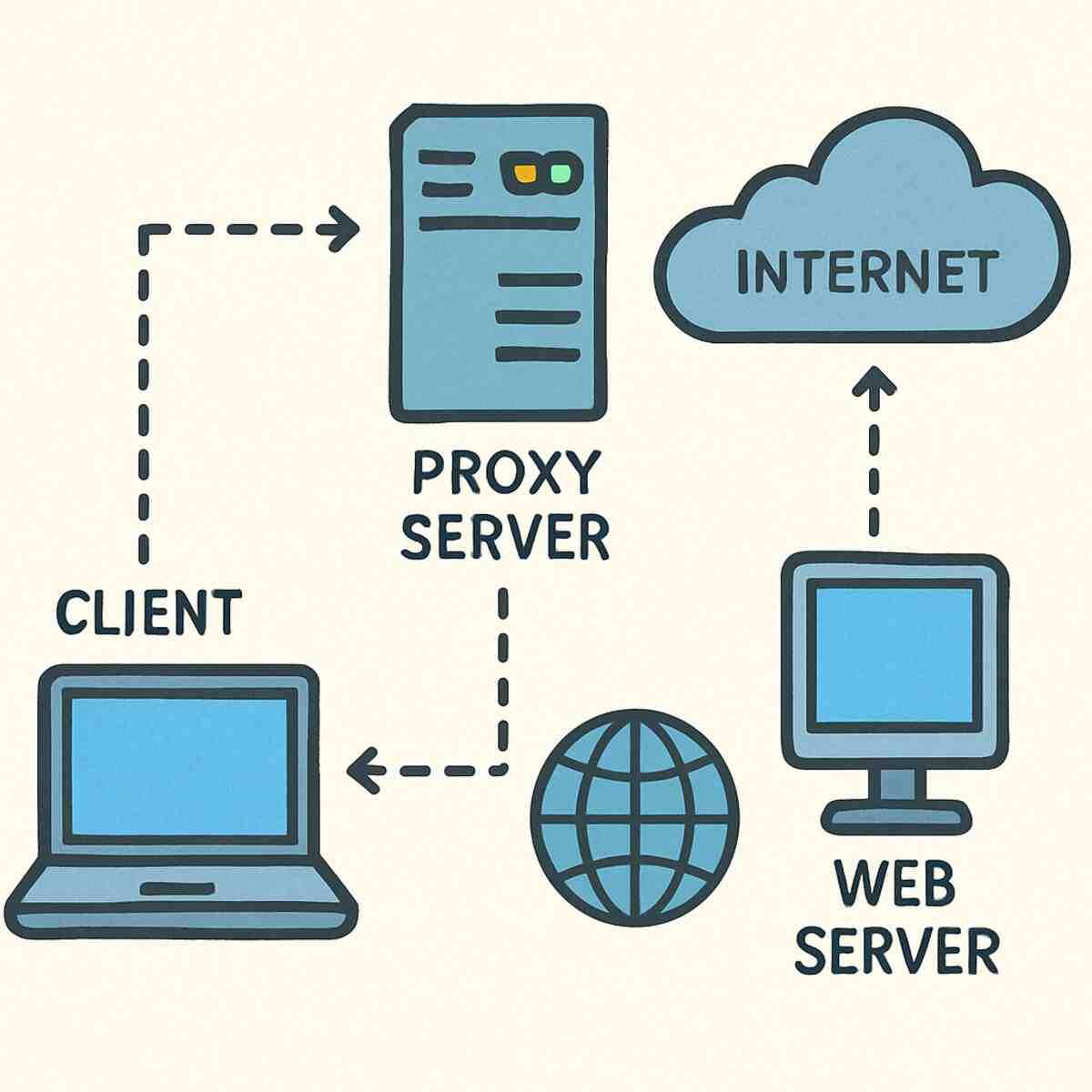
Before diving into best practices, it’s essential to understand what proxies and VPNs are and how they relate to Google Ads. The best guide to finding residential proxies.
A proxy server acts as an intermediary between your device and the internet. It allows you to access websites using a different IP address, which can be useful for maintaining anonymity or bypassing geographic restrictions. The role of proxy servers is increasingly important in digital advertising as they help in managing multiple ad accounts without causing suspicious activity alerts. Moreover, proxies can be crucial for businesses that need to test their ads in various locations without physically being there.
A VPN (Virtual Private Network) provides a secure connection over the internet, encrypting your data and masking your IP address. This is especially useful for maintaining privacy and security when browsing or managing online campaigns. VPNs are not only about security; they also help ensure that your internet connection is not throttled by your ISP, which can be crucial for real-time ad management. Additionally, VPNs can aid in maintaining access to your accounts while traveling or working remotely, thus ensuring uninterrupted business operations.
Why Use Proxies for Google Ads?
Using proxies with Google Ads can provide several advantages:
- Anonymity: Protect your identity and maintain privacy. When running multiple ad campaigns, maintaining anonymity can prevent competitors from tracking your strategies. It also minimizes the risk of your ad accounts being linked if you manage several accounts.
- Location Flexibility: Access geo-restricted content or manage campaigns targeting specific regions. This feature allows advertisers to view their ads as locals would in different regions, providing accurate insights into ad performance.
- Improved Performance: Reduce the risk of getting your IP address blocked or flagged by Google. Using dedicated proxies can ensure a stable connection and prevent disruptions in ad delivery, which is vital for time-sensitive campaigns.
Best Practices for Using Proxies with Google Ads
Now that you understand the basics, let’s explore some best practices for using proxies effectively with Google Ads.
1. Choose the Right Type of Proxy
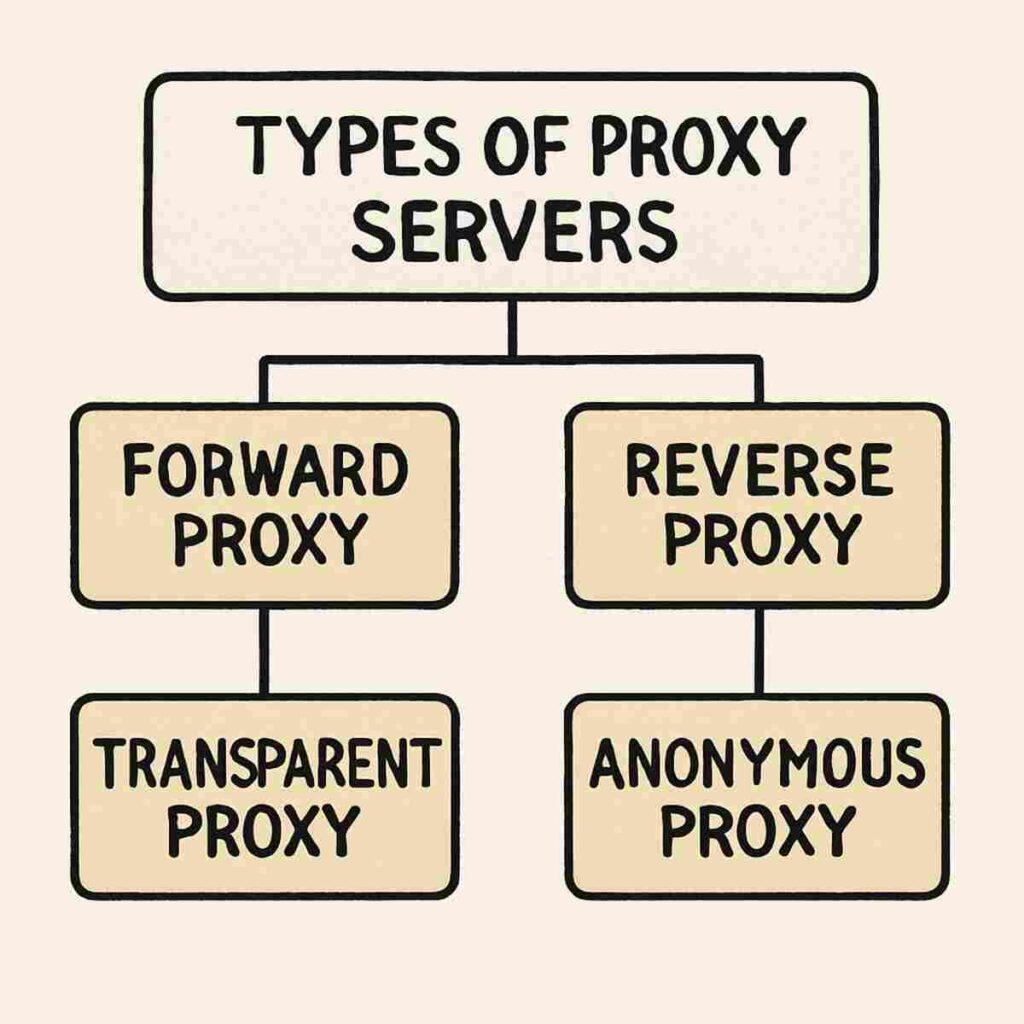
When selecting a proxy for Google Ads, consider the following types:
- Residential Proxies: These are IP addresses assigned by Internet Service Providers (ISPs) to homeowners. They are less likely to be flagged by Google since they appear as regular users. Residential proxies are ideal for activities that require a high level of legitimacy and are crucial for accessing content that might be restricted to certain countries.
- Data Center Proxies: These are IP addresses provided by data centers. While faster and cheaper, they might be more easily detected by Google. Use them for tasks that require speed but do not necessarily need high anonymity levels, such as bulk data scraping for market analysis.
- Rotating Proxies: These proxies change IP addresses at regular intervals, providing an extra layer of anonymity. They are perfect for large-scale operations where constant IP changes can prevent tracking and ensure continuous access without getting blocked.
2. Use Proxies for Geo-Targeting
One of the most significant advantages of using proxies is the ability to simulate traffic from different locations. This is particularly useful for:
- Ad Testing: View how ads appear in different regions. Proxies allow you to check the visibility and appearance of your advertisements in various locales, ensuring that they meet local standards and preferences.
- Market Research: Gain insights into local competition and consumer behavior. By accessing region-specific web content, you can better understand market dynamics and adapt your strategies accordingly.
- Campaign Optimization: Tailor your strategies to specific geographic locations. Proxies enable you to gather location-specific data, which can be invaluable for refining your targeting strategies and improving conversion rates.
3. Avoid Free Proxies
While it might be tempting to use free proxies, they come with significant risks:
- Security Threats: Free proxies can expose your data to hackers. Many free services lack encryption, making your data vulnerable to interception.
- Unreliable Performance: They often have slow speeds and frequent downtimes. This can lead to ineffective ad management and missed opportunities.
- Higher Detection Risk: Free proxies are more likely to be blacklisted by Google. This can result in your ads being blocked or your account being suspended, jeopardizing your entire campaign.
Invest in a reputable proxy service to ensure better performance and security.
Integrating VPNs with Google Ads
Using a VPN alongside proxies can further enhance your Google Ads strategy. Here’s how:
1. Strengthen Security
VPNs encrypt your internet traffic, providing an additional layer of security. This is especially important when handling sensitive campaign data or making transactions. By encrypting your data, VPNs ensure that even if intercepted, your information remains inaccessible to hackers. They also help in protecting your login credentials from phishing attacks.
2. Maintain Consistent Access
With a VPN, you can maintain uninterrupted access to your Google Ads account, even when traveling. This ensures you can manage your campaigns from anywhere without restrictions. VPNs can bypass local internet restrictions and firewalls, granting you access to your accounts even in regions with strict internet censorship. This is particularly beneficial for businesses operating in multiple countries.
3. Combine with Proxies for Maximum Effect
Using both VPNs and proxies together can offer the best of both worlds: enhanced security and flexible geo-targeting. This combination can help in managing multiple ad accounts without the risk of being flagged. The synergy of VPNs and proxies provides a robust framework for optimizing ad delivery and ensuring consistent connectivity across all your advertising efforts.
Troubleshooting Common Issues
Even with the best practices in place, you might encounter some challenges. Here are common issues and solutions:
1. IP Blocked by Google
If your IP gets blocked, try switching to a different proxy or use a rotating proxy service. Ensure your proxies are from a reliable provider to minimize this risk. Additionally, regularly monitoring your proxy usage and implementing best practices can prevent IP blocks from occurring frequently.
2. Slow Connection Speeds
Slow speeds can impact your campaign management. Opt for premium proxy services and ensure your VPN provider offers high-speed servers. Test your internet speed regularly to identify bottlenecks and consider upgrading to higher-bandwidth plans if necessary.
3. Authentication Errors
Ensure your proxy settings are correctly configured. Double-check login credentials and ensure your subscription is active. Misconfigurations often cause authentication errors; thus, maintaining up-to-date software and regularly reviewing your settings can help resolve these issues promptly.
Conclusion
Using proxies and VPNs with Google Ads can significantly enhance your advertising efforts by providing anonymity, security, and location flexibility. By following these best practices, you can optimize your campaigns effectively and navigate the digital advertising landscape with confidence. Remember to invest in reliable proxy and VPN services to ensure the best results for your Google Ads campaigns.
With this knowledge in hand, you’re now equipped to make informed decisions and drive your Google Ads success to new heights. Happy advertising!
